 1 / 5
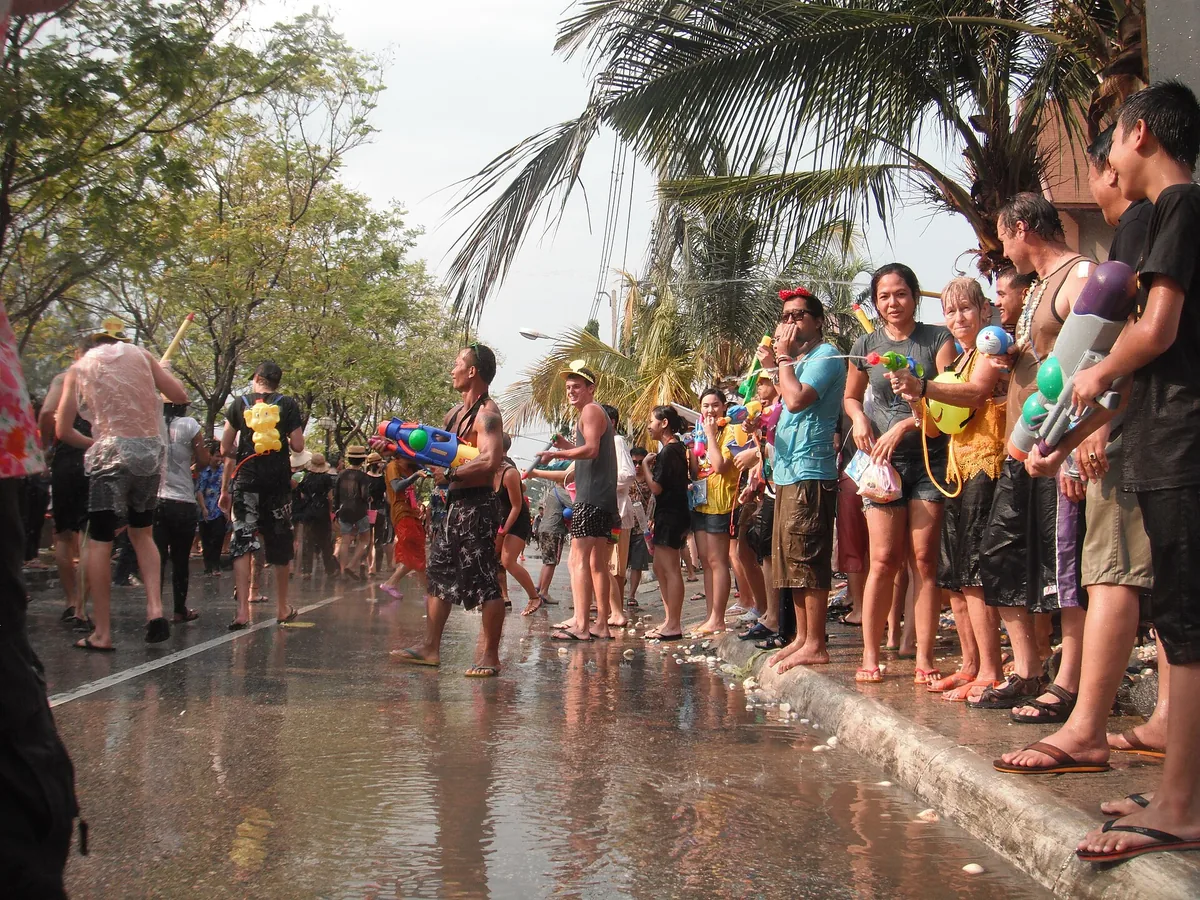
Songkran is Thai New Year, and Chiang Mai is the country's best-known Songkran city. For three days in April the whole moat around the Old City turns into one long water fight, while the temples carry on with the older, quieter rites of the Lanna New Year. In 2027 the main days of Songkran in Chiang Mai are 13 to 15 April.
What it is
Songkran is the traditional Thai New Year. It falls at the hottest time of year, and water is at its centre, a symbol of washing away the old year.
In Chiang Mai the festival is called Pi Mai Mueang (ปี๋ใหม่เมือง), the Lanna New Year, and each day has its own northern name. 13 April is Wan Sangkhan Long (วันสังขานต์ล่อง), the day the old year leaves; people clean their houses and wash Buddha images. 14 April is Wan Nao (วันเนา), the day in between, when families prepare food and offerings and carry sand to the temples. 15 April is Wan Phaya Wan (วันพญาวัน), the first day of the new year, given to merit-making and paying respect to elders.
Chiang Mai is the most famous place in Thailand for Songkran, but behind the water fight it is still a family and temple festival.
Dates
Songkran is fixed in the solar calendar, so unlike Yi Peng it does not move. The official holiday is 13 to 15 April every year. In 2027 that is a Tuesday to Thursday.
In practice Chiang Mai starts early and finishes late. Events begin from around 12 April, water play spills over into the days before and after, and the city celebrates for about a week in total. The city announces the official programme closer to the date. See the best time to visit Chiang Mai for how April fits into the hot season.
The water fights
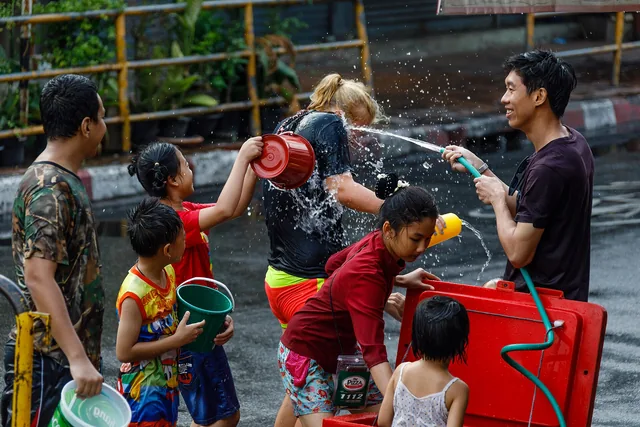
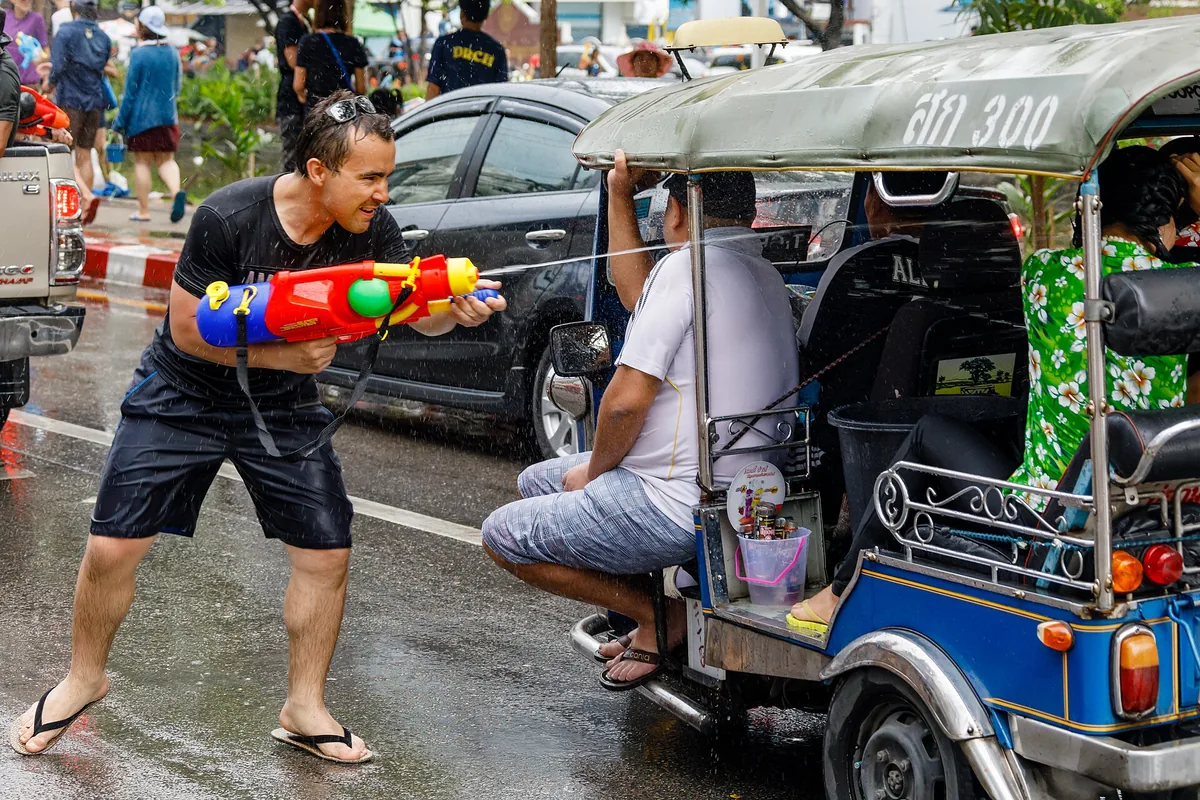
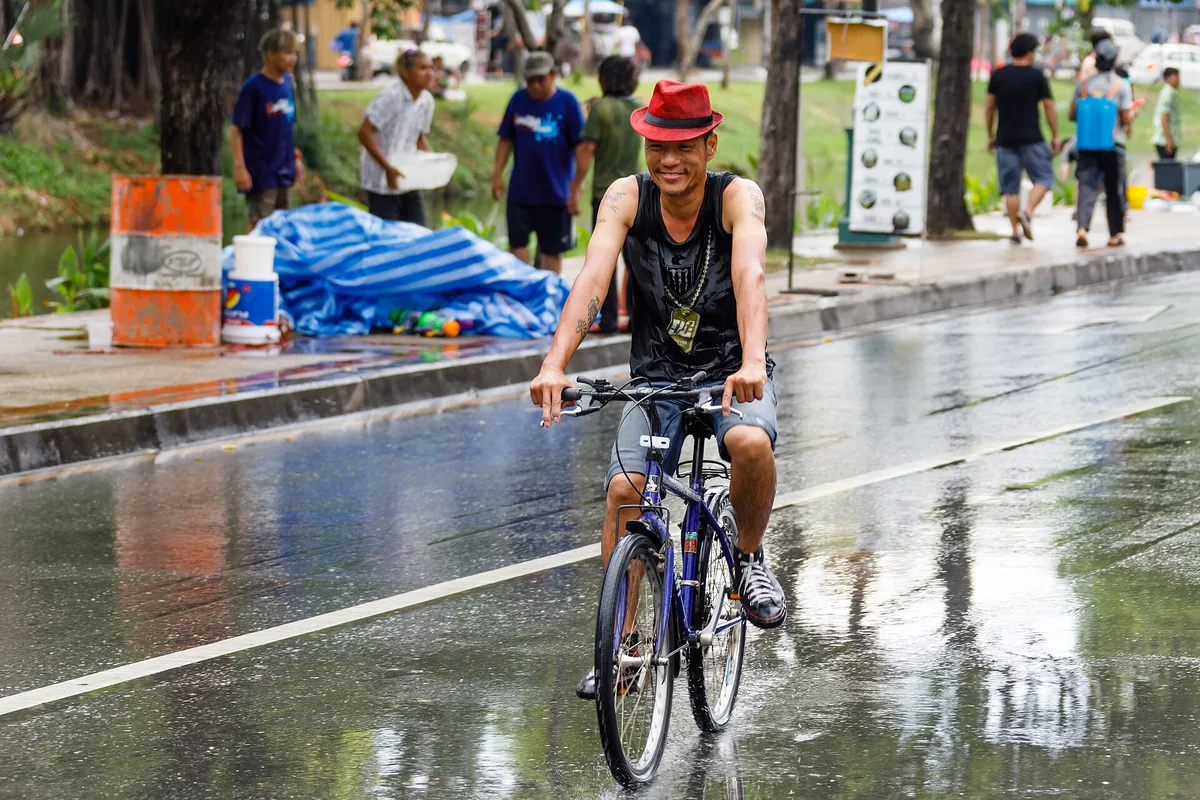
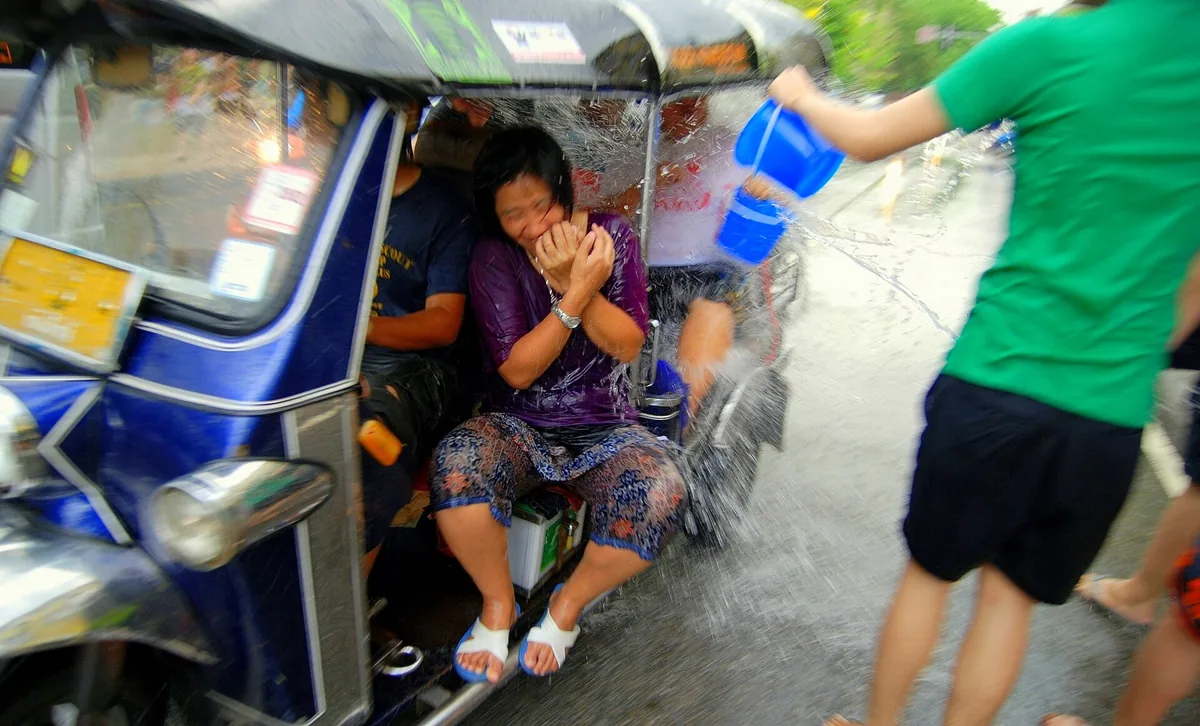
The water fight runs along the whole moat road around the Old City, with Tha Phae Gate on the east side as the centre. It goes on from morning until dusk on each of the main days. People line the moat with buckets and water guns and soak anyone who passes, on foot or in a pickup truck.
There is no way to stay dry if you go near the moat. Everyone gets soaked; that is the point. Wear clothes you do not mind getting wet and leave valuables at the hotel.
Put your phone in a waterproof pouch on a cord around your neck, sold everywhere in town. Expect traffic to close or crawl along the moat road and around Tha Phae Gate for most of the day.
The traditions
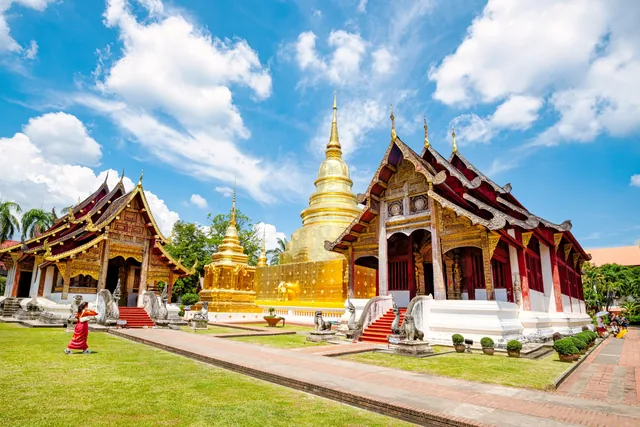
- Phra Buddha Sihing procession: on 13 April the revered Phra Buddha Sihing image is carried out of Wat Phra Singh in a procession through the city, so people along the way can pour scented water over it for blessing.
- Sand chedis: in temple courtyards people build small chedis of sand, decorated with coloured paper flags. Carrying sand into the temple is a way of returning the sand taken out on your feet during the year.
- Pouring water on elders' hands: rot nam dam hua (รดน้ำดำหัว) is the gentle core of the festival. Younger people pour scented water over the hands of parents, grandparents and respected elders and ask for their blessing for the year.
- Merit-making on Wan Phaya Wan: on 15 April families go to the temple early to give food to monks, make offerings and listen to blessings.
Visitors are welcome to join quietly. Dress for a temple and keep a respectful distance from ceremonies.
Where to go
- The moat and Tha Phae Gate: for the water fight.
- Wat Phra Singh and the Old City temples: for the rites. Wat Chedi Luang and Wat Phan Tao next to it are a short walk away and have their own sand chedis and ceremonies. You will still get wet getting there.
- The Ping River side: calmer, with less water and more space, good for a break or a meal.
- Mae Hia: about 25 minutes from the moat and is much drier and calmer than the Old City. Mae Hia is a good base for families who want to dip into the water fight for a few hours and then retreat. Wat Phra That Doi Kham on the hill above is a quiet place for merit-making on Wan Phaya Wan, without the crowds of the Old City.
Tips
- Book months ahead. Songkran is one of the busiest weeks of the year. Hotels in the Old City fill first.
- Expect road closures. Roads around the moat close or jam, and Grab is slow and expensive. Plan to walk the last part.
- Respect monks and the elderly. Do not splash monks, older people, or anyone who clearly does not want to play. A gentle pour on the shoulder is the traditional way.
- No ice water. Throwing iced water is unpleasant and can be dangerous. Use plain water.
- Do not spray motorbike riders. It causes accidents.
- Protect phones and cameras. Use waterproof pouches and dry bags.
- Mind the heat. April is the hot season, with afternoons at 35°C or more. Drink plenty of water and rest in the shade.
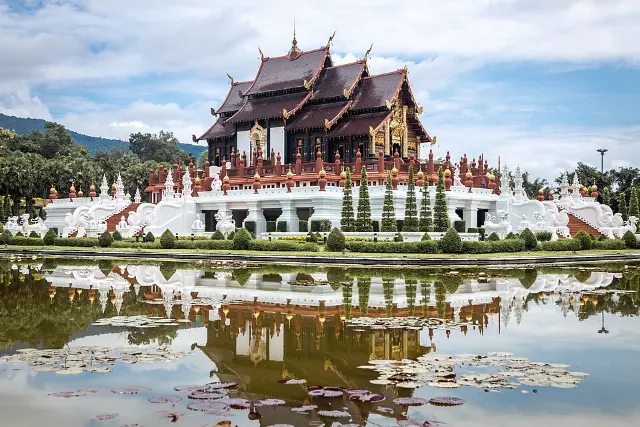
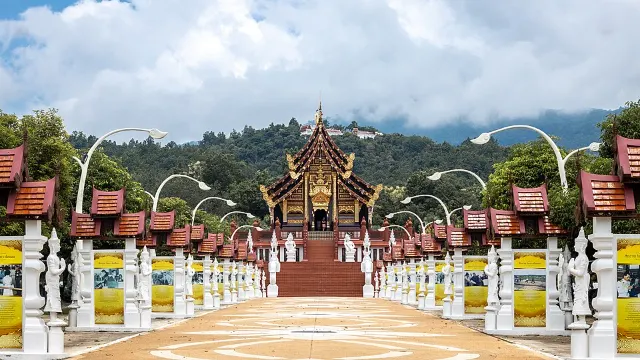
- Spend a dry day. If you need a break, Royal Park Rajapruek and the Night Safari are both close to Mae Hia.
If you are visiting for a few days, the 3-day itinerary works around Songkran: put the Old City day on 13 April for the procession, and save a quieter day for the outskirts.
FAQ
When is Songkran in Chiang Mai in 2027?
The main days are 13 to 15 April 2027, with events from 12 April and celebrations for about a week.
Where is the biggest water fight in Chiang Mai?
Along the moat road around the Old City, with Tha Phae Gate as the centre.
Can I avoid getting wet during Songkran?
Not near the moat. Stay in a quieter area such as Mae Hia if you want to dip in and out.
What is the Phra Buddha Sihing procession?
On 13 April the image is carried from Wat Phra Singh through the city so people can pour scented water over it.
Where should I stay for Songkran?
In the Old City if you book months ahead; Mae Hia if you want quiet nights, 25 minutes from the moat.