 1 / 4
Chiang Mai is one of the best places in Thailand to buy things that were made nearby by the people who sell them. Look for the OTOP label on packs of chilli dip, bags of coffee, woven cotton and carved wood: it means the product comes from a registered village or community group. Mae Hia, by the airport, makes a good base for shopping, with a morning market for food products, a royal park with its own shops, and the woodcarving village of Baan Tawai a short drive south.
What OTOP means
OTOP stands for One Tambon One Product. A tambon is a subdistrict, and the national scheme, running since 2001, encourages each one to develop and brand a product its villages are good at making. Community groups register their goods, get help with packaging and marketing, and sell them under the OTOP name at markets, fairs and dedicated shops across the country.
In Chiang Mai that means a familiar set of crafts and foods: handwoven textiles and hill-tribe embroidery, woodwork and furniture, celadon pottery, saa paper made from mulberry bark, preserved northern foods and highland coffee. Many packs carry a star rating, from one to five stars, given after a product is judged on quality and potential. Five stars marks the best-rated products, but plenty of good one- and two-star goods come from small groups that simply have not been assessed further.
What to buy
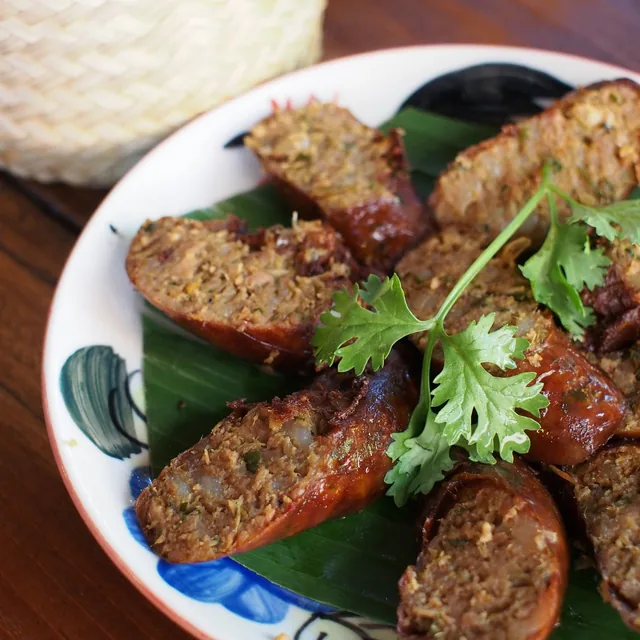
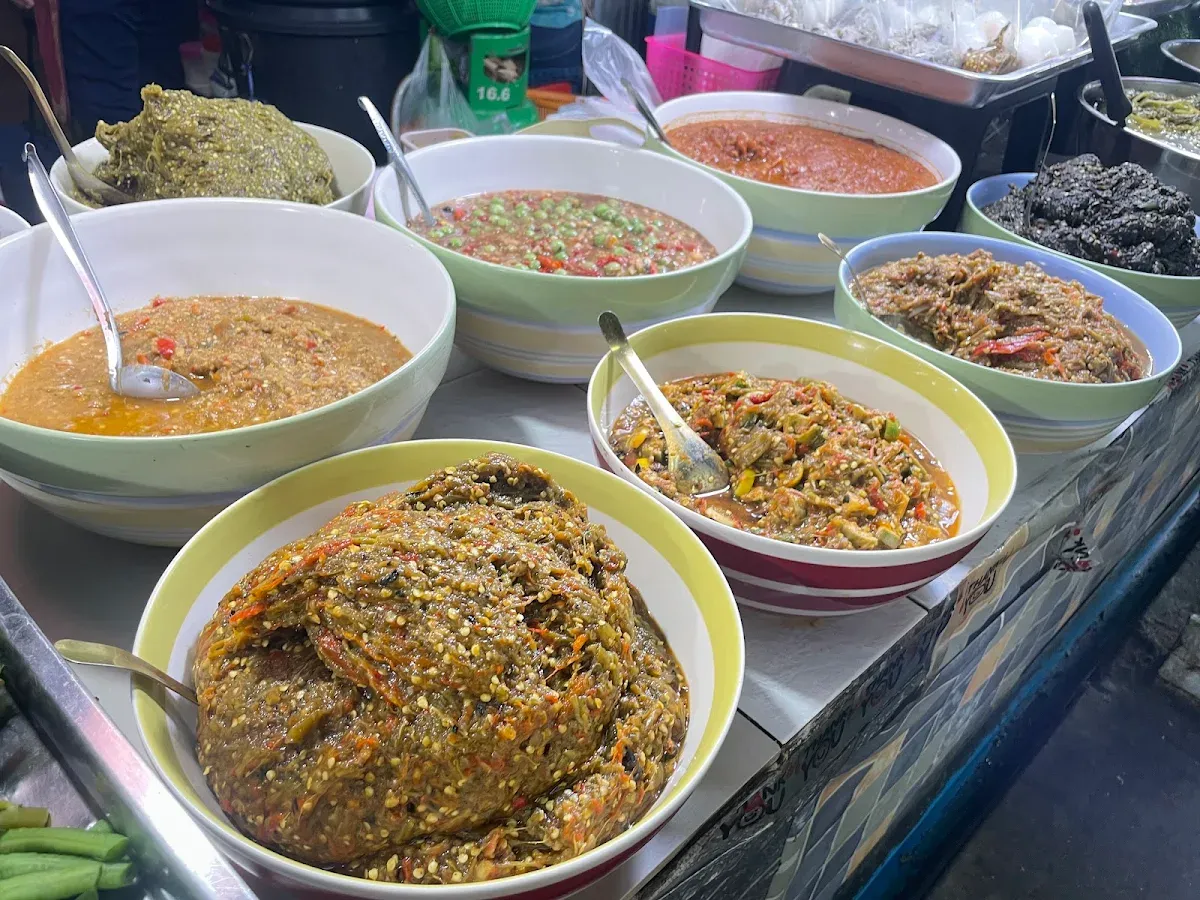
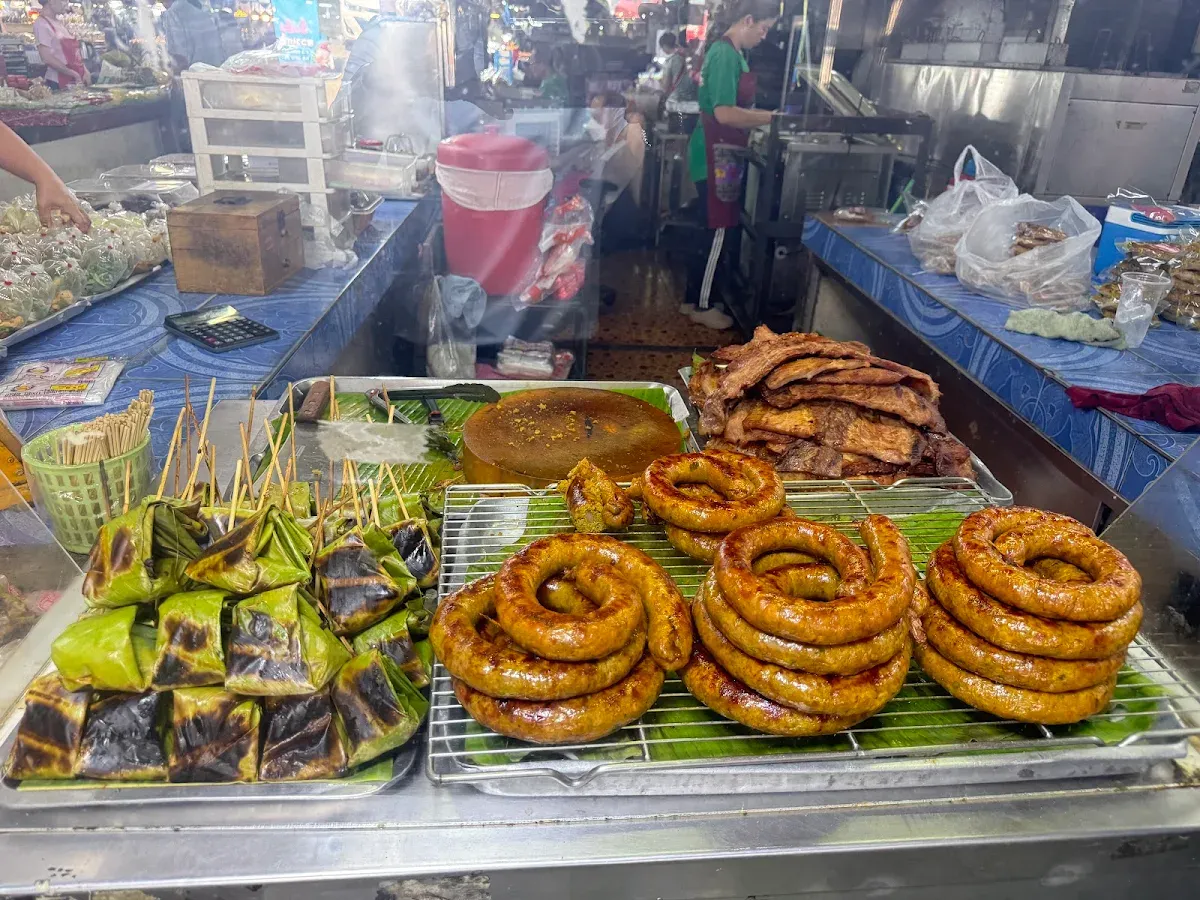
- Northern food to take home. Vacuum-packed sai ua, the herb sausage, is the classic. Add nam prik noom and nam prik ong in sealed tubs, bags of khaep mu (crisp pork rind) and miang, the fermented tea leaf chewed as a snack in the north. Snack packs start at around 20 THB.
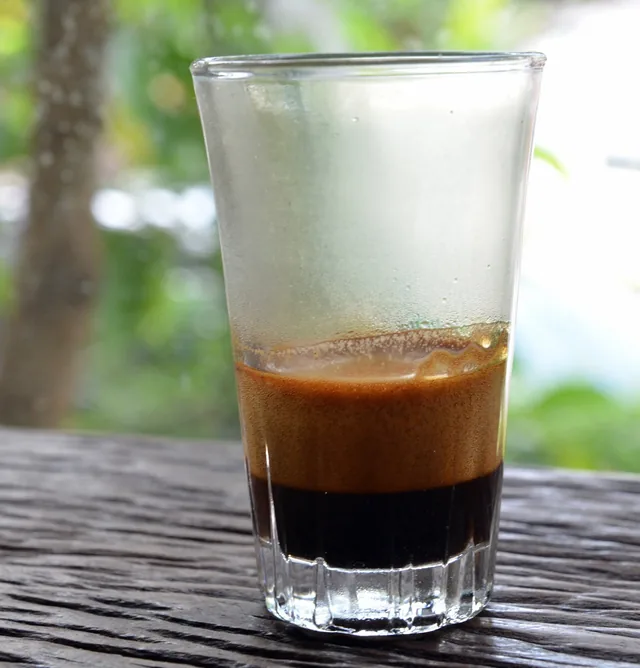
- Coffee beans. Beans from Royal Project and hill-tribe farms in the mountains around Chiang Mai, sold roasted, whole or ground. Light, easy to pack and good value.
- Textiles. Handwoven cotton, scarves and sarongs, and hill-tribe embroidery on bags, cushion covers and jackets.
- Woodwork and furniture. Carvings, bowls, trays and full pieces of furniture from Baan Tawai, the village known for wood. Small pieces fit in a suitcase; large ones run to a few thousand baht or more.
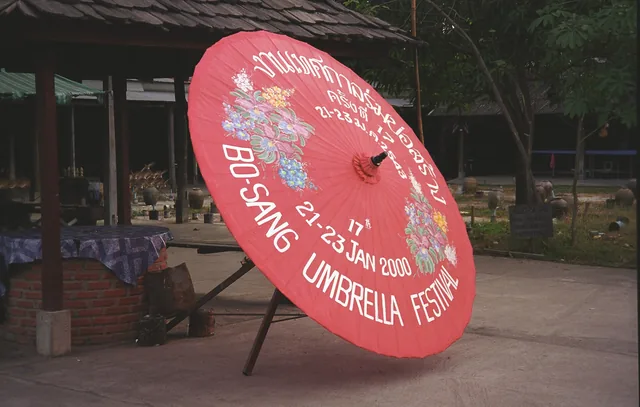
- Saa-paper umbrellas and fans. Painted by hand at Bo Sang, east of the city. Small fans and notebooks are easy gifts.
- Celadon and lacquerware. The jade-green glazed pottery and black-and-gold lacquer sold along the San Kamphaeng road, on the way to Bo Sang.
Where to buy in Mae Hia and nearby
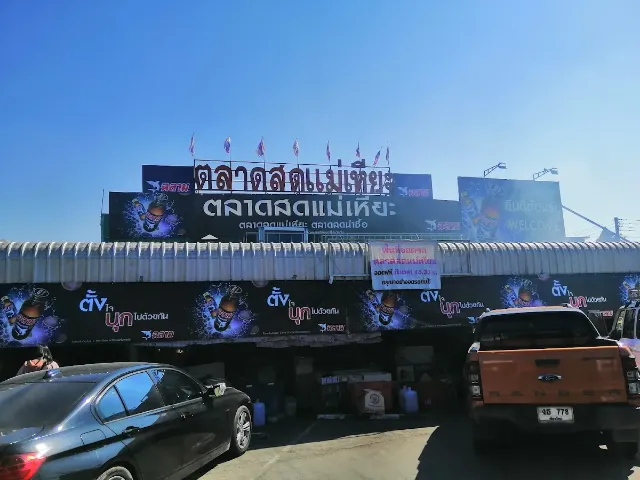
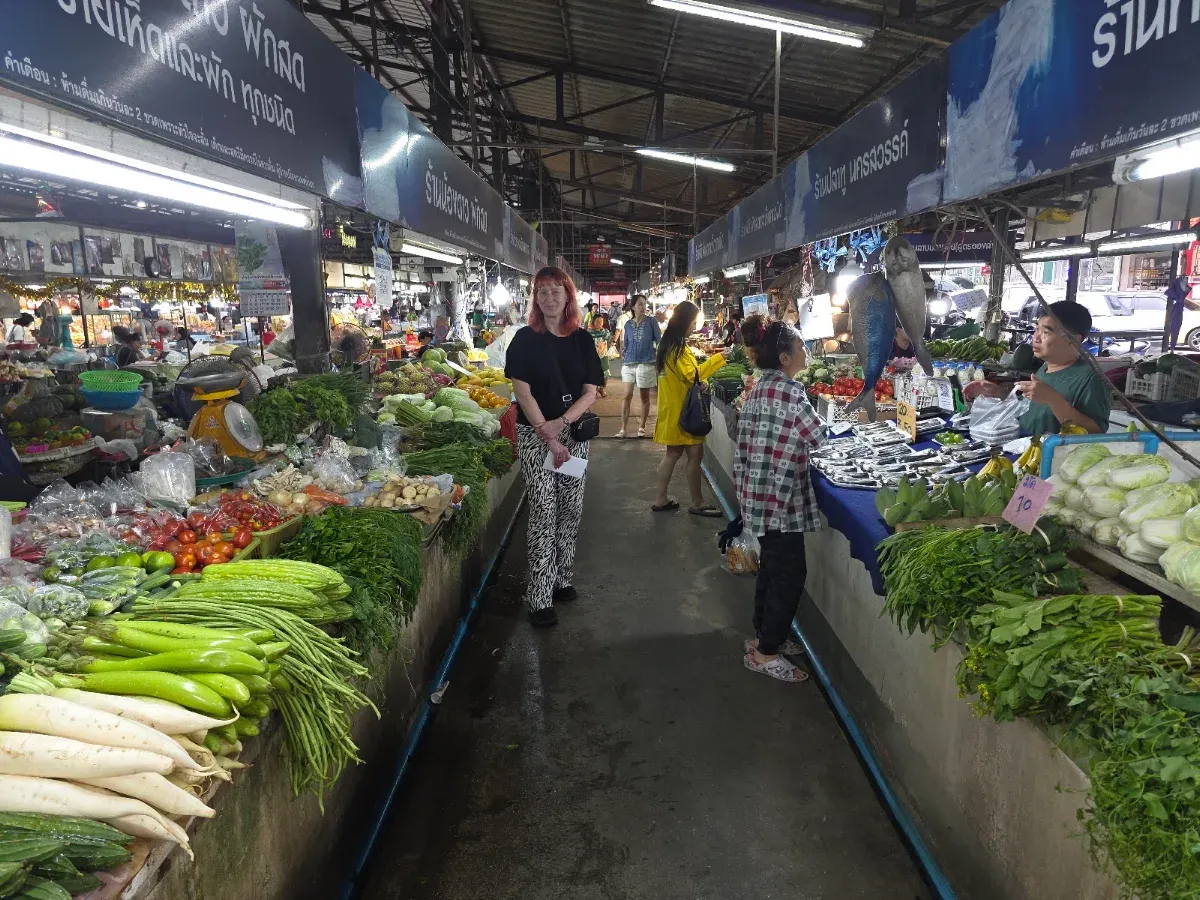
- Mae Hia community market. The morning market by the airport, best from 06:00 to 09:00. Local families sell food products here: sausage, chilli dips, pork rind and snacks, often made in their own kitchens.
- Royal Park Rajapruek. The park's shops stock community and Royal Project products, from dried fruit and coffee to textiles. Easy to combine with a visit to the gardens.
- Baan Tawai. About 15 minutes south of Mae Hia, a long street of workshops and showrooms for woodwork, home decor and furniture.
- Royal Project outlets. Shops selling produce and processed goods from the royal highland projects: coffee, tea, dried fruit, jams and vegetables.
- Warorot Market (Kad Luang). The big market in the city by the Ping River has the widest choice of northern foods and souvenirs in one place, and it is easy to compare prices.
- Chiang Mai airport. Shops before and after security sell packaged northern foods and crafts. Good for last-minute buys, but expect higher prices than at the markets.
Staying in Mae Hia lets you shop the morning market on your last day and still reach the airport in a few minutes.
Tips
- Check seals and dates on food. Look for a production date, an expiry date and an intact seal, especially on chilli dips and sausage.
- Vacuum packs travel well. Sealed foods survive checked luggage better than open bags. Keep fresh meat products cool.
- Know your import rules. Some countries do not allow meat, pork products or certain plant goods. Check before you buy sausage, pork rind or miang.
- Keep receipts. Useful at customs and if a shop offers to replace damaged goods.
- Bargain gently. In village shops and markets, prices are mostly fixed or close to it. A small discount for buying several items is normal; hard bargaining is not.
- Ship heavy pieces. For large woodwork or furniture, many shops can arrange packing and shipping. Ask for the cost in writing before you pay.
FAQ
What does OTOP mean?
One Tambon One Product, a national scheme since 2001 that brands products made by Thai village and community groups.
What are the best souvenirs from Chiang Mai?
Preserved northern foods, highland coffee, handwoven textiles, woodwork, saa-paper umbrellas and celadon.
Where can I buy OTOP products near Chiang Mai airport?
At the Mae Hia community market in the morning, the shops at Royal Park Rajapruek, and Baan Tawai 15 minutes south.
Can I take northern Thai food home on a plane?
Sealed, vacuum-packed foods usually travel well, but check your country's rules on meat and plant products first.
Do OTOP stars matter?
They show how a product was rated, from one to five stars, but small unrated groups often make very good products too.